
How Social Media Affects Your Teen’s Mental Health
Social media, while offering opportunities for connection and information, can negatively impact teens’ mental health by fostering constant comparison, reducing self-esteem, and encouraging addictive behaviors. Excessive use can interfere with healthy habits like sleep and exercise, and expose teens to harmful content, cyberbullying, or dangerous online interactions. Adolescence is a critical developmental stage, making teens especially vulnerable to these effects. At Louisville Recovery Center, a compassionate team provides personalized mental health and addiction treatment to help individuals, including teens, navigate these challenges and build a healthier, more balanced life.
How Social Media Affects Your Teen’s Mental Health
Social media is a powerful tool. Not only can it connect people around the world, but it can also negatively impact one’s sense of self-esteem and self-confidence. From the risk of constantly comparing yourself to others to being highly addicted, unfortunately, many teens suffer more harm than good from social media.
At Louisville Recovery Center, we are a team of experienced addiction specialists committed to helping you achieve long-lasting sobriety. We understand each patient’s recovery journey is unique. This is why we provide tailored addiction and mental health care treatment to best fit your recovery needs. Contact us today to learn more about how we can support your recovery needs.
Social Media Is Harmful to Your Mental Health
In today’s digital age, it’s hard not to be consumed with social media. Social media has become a powerful tool to create and post content that you can not only share with your friends and family, but also has the ability to be shared around the world.
While social media can be a great resource for knowledge and connection, social media unfortunately harms many teens’ mental health and well-being for the worse. From the constant comparison mixed with the need to fit in with what teens see online, social media can negatively impact a teen’s sense of self and self-confidence.
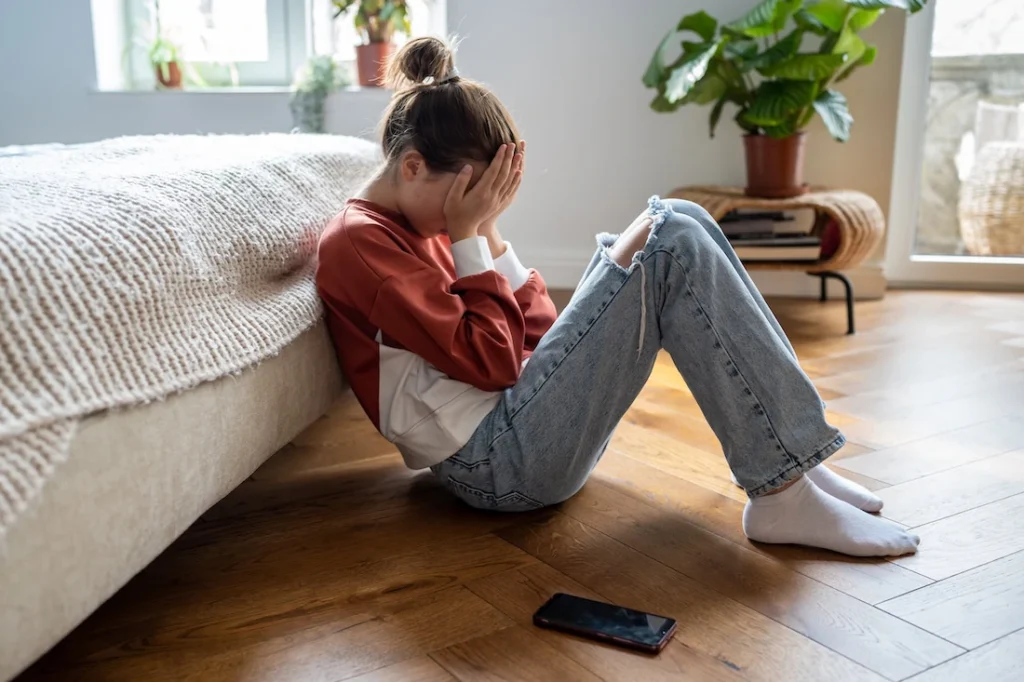
Adolescence is a pivotal turning point in an individual’s development. Unfortunately, social media can oftentimes do more harm than good in a teen’s life. And, social media in some cases can increase a teen’s risk of developing certain mental health conditions, like anxiety, depression, or phone addiction.
How Can Social Media Affect Your Teen’s Mental Health
Interested in learning more about how social media affects your teen’s mental health? Keep reading below.
- Constant Comparison
First, social media can easily lead a teen to compare themselves to others. Whether it be comparing themselves to other peers or other influencers they are exposed to online, social media can increase the risk of constant comparison and lower a teen’s sense of self-confidence and self-worth.
- Social Media Addiction
Next, social media can also be highly addictive, and cause many teens to be constantly online. In some cases, teens may even develop a dependency and addiction as they may feel the need to constantly check social media.
- Negatively Impacting Other Healthy Habits
Social media can also negatively impact other areas of an individual’s life, from the amount of sleep they are getting each night, to negatively impacting a teen’s movement and exercise if they are constantly on social media.
- Raises the Risk of Being Exposed to Negative Content
Finally, another way social media affects your teens’ mental health is by raising their risk of being exposed to negative, harmful content. While social media can be a great place to find motivational or educational content, it can also be dangerous and put a child at risk.
This is why talking with your child about the very real dangers of social media is so important. Not only can your teen potentially consume content that can negatively impact their mental health, but social media can also increase their risk of other potentially dangerous situations. This includes cyberbullying or interacting with strangers who can cause them harm.
Help Is Available
Now you know more about how social media affects your teen’s mental health. While social media does have some positive benefits, from offering more connection with peers and an educational resource, social media can be quite harmful to a teen’s mental health. From unrealistic body standards to the risk of comparison and social media addiction, it is important to understand the various risks and how social media can negatively impact a teen’s mental health and well-being.
Louisville Recovery Center offers top-rated mental health and addiction treatment in Louisville so patients can transform their lives for the better. Our compassionate team is here to help you effectively heal your mental well-being and break free from addiction. Whether you are struggling with a substance use disorder or mental illness, we provide tailored support so you can receive the right care to best address your recovery needs. Ready to begin your recovery journey? Contact us today!
Frequently Asked Questions
Is all social media content bad for my teen’s mental health?
While social media can greatly harm an individual’s mental health and well-being, it is not all bad. There is a wide range of positive content on social media that can further motivate, educate, and inspire your teen. Therefore, it’s important to understand that not all social media content is bad; however, there is a range of both good and bad content that can inevitably have an impact on your teen’s overall mental health and well-being.
What impacts one’s mental health?
Social media is just one of many factors that can impact mental health and well-being. For example, an individual’s genetics and upbringing can play a significant part in their mental health and well-being. Likewise, if an individual was exposed to any past trauma, this can also impact their mental health.
Therefore, when considering what impacts your mental health (for better or for worse), it is important to look at an individual’s life as a whole. And, social media can be one of various components that may be negatively impacting your teen’s overall mental health and well-being.
Do I need treatment for my mental health problems?
If you are struggling with a mental health problem, it is important to consider seeking professional mental health treatment. Mental health treatment can help you effectively manage your symptoms so you can improve your mental health and lead a better quality of life. Unfortunately, many people try to ignore their mental health problems, hoping they will go away on their own.
However, this often leads to worsening mental health symptoms that can present further life-threatening consequences or ways to manage your symptoms, such as abusing drugs or alcohol. This is why it is important to consider seeking professional mental health treatment if you suspect you may be struggling with your mental health.