
How to Find Treatment for BPD and Drug Abuse
Borderline Personality Disorder (BPD) and substance abuse often co-occur, creating unique challenges for those seeking treatment. While both conditions are treatable, finding the right care can be overwhelming. This guide explores how to identify the most effective treatment options for individuals struggling with BPD and drug addiction.
Understanding the Connection Between BPD and Substance Abuse
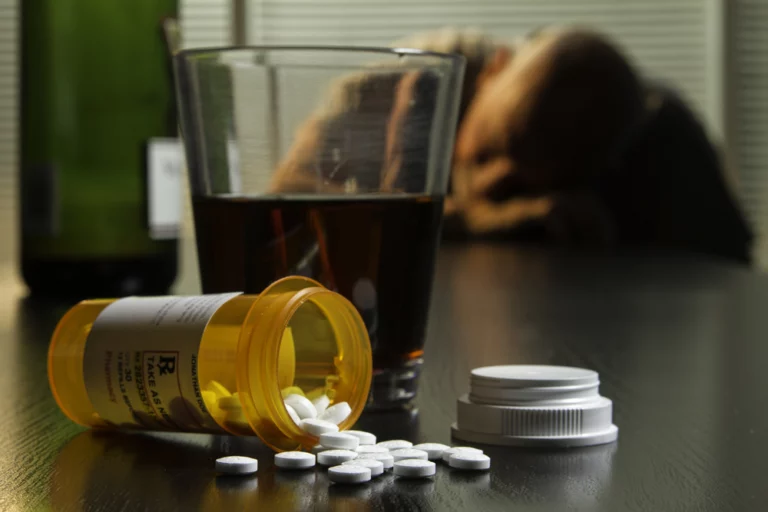
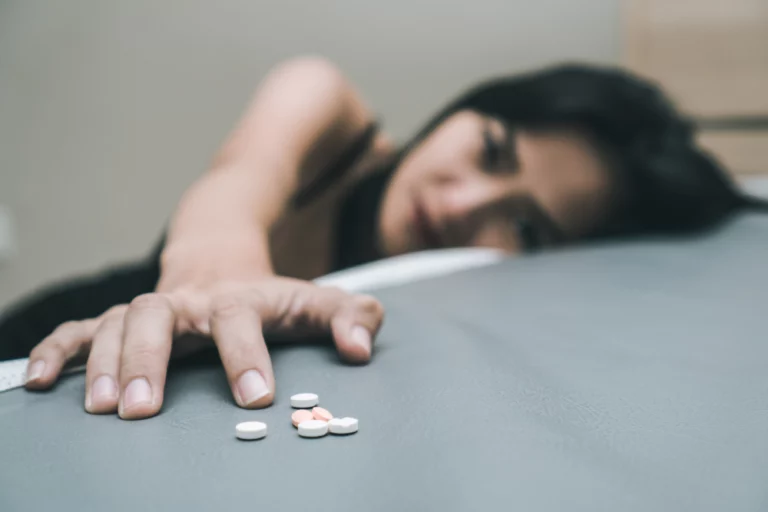
BPD is a complex mental health condition characterized by unstable emotions, impulsivity, and difficulties in maintaining relationships. Substance abuse often becomes a coping mechanism for individuals with BPD, as drugs or alcohol may temporarily numb emotional pain or alleviate feelings of emptiness. This co-occurrence is referred to as a dual diagnosis.
Studies show that approximately 78% of individuals with BPD develop a substance use disorder during their lifetime. Dual diagnoses lead to higher hospitalization rates and greater challenges in maintaining long-term recovery.
Recognizing this relationship is crucial for effective treatment planning, as both conditions influence one another.
Recognizing When Treatment Is Needed
It can be difficult to distinguish when behaviors require professional help. Some warning signs include persistent mood swings, impulsive actions like substance use, and self-harming tendencies. Struggles to maintain stable relationships and recurring suicidal thoughts are also indicators. If these challenges disrupt daily life, seeking professional support is essential.

Treatment Options for BPD and Drug Abuse
Successfully addressing BPD and substance abuse involves treating both conditions simultaneously. Here are common approaches to treatment:
Inpatient Rehabilitation Programs
Inpatient rehabilitation programs provide a structured environment that allows individuals to focus solely on their recovery without the distractions and triggers of daily life. These programs often include medically supervised detoxification to help individuals safely manage withdrawal symptoms.
Therapeutic support is another cornerstone of inpatient care, with regular therapy sessions tailored to uncover and address the emotional triggers behind both substance abuse and BPD. Additionally, participants are given opportunities to develop healthier coping mechanisms and life skills in a supportive and controlled setting.
Dialectical Behavior Therapy (DBT)
Dialectical Behavior Therapy (DBT) is widely recognized as one of the most effective treatments for BPD and has also shown significant success in addressing substance abuse. This therapeutic approach teaches individuals essential skills in four main areas: mindfulness, emotional regulation, distress tolerance, and interpersonal effectiveness.
Through DBT, individuals learn to manage intense emotions, develop healthier relationships, and build resilience against the urge to self-medicate or engage in harmful behaviors. By addressing both emotional dysregulation and addiction simultaneously, DBT helps individuals create a more stable and fulfilling life.
Dual Diagnosis Treatment Centers
Dual diagnosis treatment centers are specialized facilities that focus on treating individuals with co-occurring mental health disorders and substance use disorders. These centers take an integrated approach, combining evidence-based therapies like DBT and trauma-informed care with medical support and relapse prevention strategies.
Treatment plans are personalized to address the unique needs of each individual, ensuring that both their emotional and physical health are prioritized. Long-term recovery strategies, such as aftercare planning and peer support groups, are also emphasized to help participants sustain their progress beyond the program.
Steps to Find the Right Treatment Program
Finding a treatment program doesn’t have to be overwhelming. Here are some steps to get started:
- Research facilities offering dual diagnosis care.
- Verify that the treatment center is accredited by organizations like the Joint Commission or CARF.
- Ensure the program includes evidence-based therapies such as DBT or trauma-informed care.
- Contact your insurance provider to confirm coverage and explore financial assistance options if needed.
- Consult with a therapist or addiction specialist to get personalized recommendations.
Addressing Common Barriers to Treatment
Seeking help can feel daunting due to financial concerns, fear of change, or stigma. Solutions include exploring financial support like sliding-scale fees or scholarships, leaning on friends or family for encouragement, and educating yourself about BPD and addiction to build confidence in seeking help.
The Importance of Family Involvement
Families play a crucial role in recovery. They can encourage treatment adherence, participate in family therapy, and better understand the challenges of BPD and addiction. Support groups like Al-Anon or Nar-Anon provide valuable resources for families to share experiences and find guidance.
Maintaining Long-Term Recovery
Recovery is a lifelong process requiring consistent effort. Key strategies include attending ongoing therapy, building healthy habits like mindfulness and exercise, joining peer support groups, and celebrating milestones along the way.
Why Louisville Recovery Center Is Different
At Louisville Recovery Center, we offer comprehensive care tailored to individuals with dual diagnoses. Our programs include:
- Expert therapists trained to address both BPD and substance abuse.
- Evidence-based treatments like DBT alongside holistic methods.
- A supportive and compassionate community to foster recovery.
You don’t have to face this journey alone. Let us help you take the first step toward healing.
Finding The Freedom to Take the First Step Toward Recovery
Finding treatment for BPD and drug abuse is a vital step toward reclaiming your life. With the right support and resources, you can achieve lasting recovery. Reach out to Louisville Recovery Center today to explore how our specialized programs can help you build a brighter, healthier future. Contact us now.