Cocaine Rehab in Louisville, KY
Louisville Recovery Center offers personalized cocaine rehab in Louisville, KY. Learn more about our treatment programs.

Cocaine Rehab in Louisville, KY
Cocaine can take hold quickly, and the crash that follows each high often drives people to use again. Louisville Recovery Center offers cocaine rehab in Louisville for adults ready to break that cycle. Our partial hospitalization and intensive outpatient programs combine evidence-based therapy, peer support, and whole-person care to help you understand why you use, manage cravings, and build a life that doesn’t revolve around the next high.

Step One: Call Us
Contact us to speak with an admissions specialist who can explain the various services and programs we offer. Our specialists are available and happy to answer any questions you have.
Step Two: Make a Plan
Once you have made the decision to join the Louisville Recovery family, our treatment specialists will meet with you to develop a personalized care plan that addresses your individual wants and needs

Step Three: Arrive at LRC
Once your tailored treatment plan has been created, you may arrive at the center to begin treatment. Through our various behavioral and holistic therapies, you’ll become prepared to live a fulfilling life in recovery
What Is Cocaine?
Cocaine is a powerful stimulant made from the leaves of the coca plant. It’s usually snorted as a powder, while crack cocaine is smoked. Either way, cocaine causes a rapid buildup of dopamine in the brain, producing intense but short-lived feelings of energy, confidence, and euphoria.
Because the high fades within minutes to an hour, people often use repeatedly in a short period, which is known as bingeing. According to the National Institute on Drug Abuse (NIDA), repeated use changes the brain’s reward system, making it harder to feel pleasure without the drug and increasing the risk of addiction.
Today’s cocaine also carries a new danger. Fentanyl is increasingly found in the stimulant supply, often without the user’s knowledge. People who don’t use opioids have no tolerance, so even a small amount of fentanyl can be fatal.

Signs of Cocaine Addiction
Cocaine addiction affects behavior, health, and relationships. Common signs include:
- Bursts of energy, talkativeness, or restlessness followed by exhaustion
- Dilated pupils, frequent nosebleeds, or a constantly runny nose
- Decreased appetite and weight loss
- Paranoia, irritability, or anxiety
- Spending large amounts of money or borrowing to buy cocaine
- Using more than planned or being unable to stop once you start
- Low mood, fatigue, and strong cravings between uses
In some cases, heavy use can lead to cocaine psychosis, which includes paranoia and hallucinations and requires immediate medical attention.
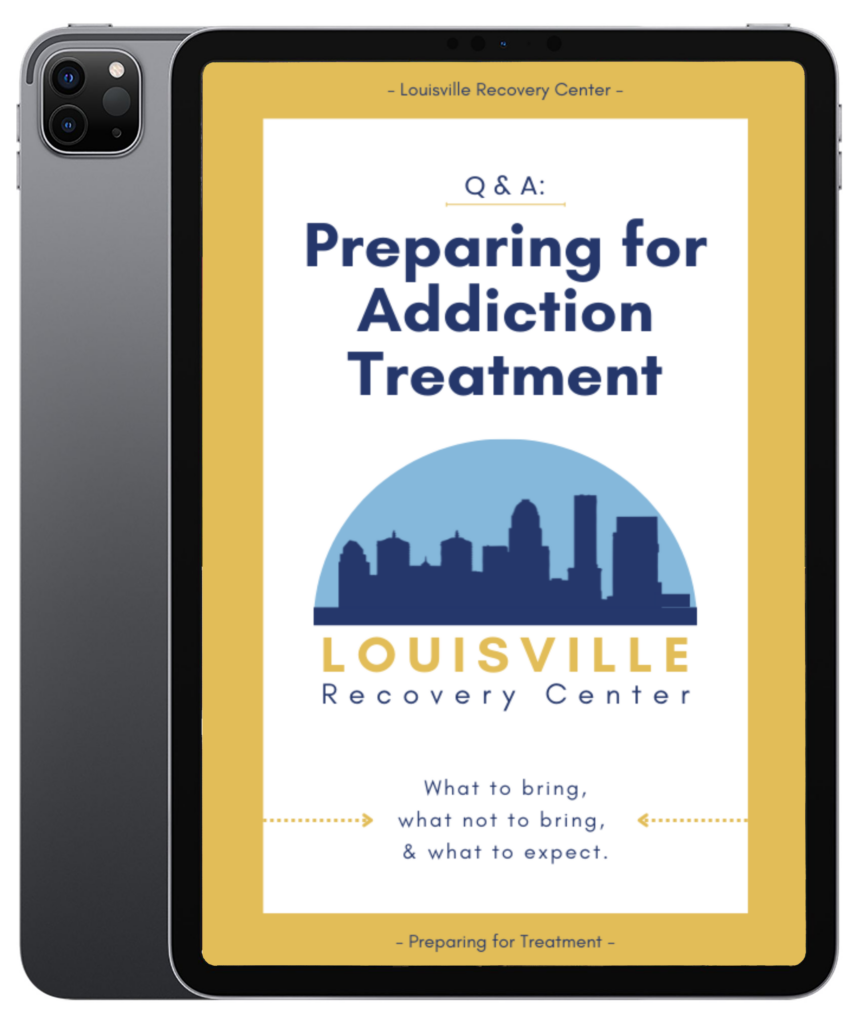
Fill Out This Quick Form To Download Our FREE Preparing For Treatment eBook eBook
The Health Risks of Cocaine Use
Cocaine affects the whole body, not just the brain. Over time, use can lead to:
- Heart attack, irregular heartbeat, and stroke, even in young, healthy people
- Damage to the nose and sinuses from snorting, or lung damage from smoking crack
- Anxiety, panic attacks, and depression
- Sleep problems and malnutrition
- Increased risk of overdose, especially when combined with alcohol or contaminated with fentanyl
Combining cocaine with alcohol is especially risky because the body produces a compound called cocaethylene, which places additional strain on the heart.
What Happens When You Stop Using Cocaine?
Cocaine withdrawal is primarily emotional and psychological rather than physically dangerous. After the last use, many people experience a “crash” that includes fatigue, increased sleep, intense cravings, irritability, and depression. These symptoms can last days to weeks, and low mood may persist longer.
That period can be harder than people expect, and the depression that follows heavy use can sometimes include thoughts of suicide. Daily structure and professional support during early recovery make a real difference. If you’re having thoughts of suicide, call or text 988 right away.
Our Approach to Cocaine Rehab in Louisville
There’s currently no FDA-approved medication for cocaine addiction, so behavioral therapy is the foundation of treatment. At Louisville Recovery Center, care is built around your needs and schedule:
- Partial hospitalization program (PHP): 4 to 8 hours of treatment a day, five days a week, with sober housing available for clients who need a stable environment.
- Intensive outpatient program (IOP): Daytime or evening sessions for clients balancing work and family.
- Aftercare: Ongoing peer coaching and alumni support for at least one year.
In therapy, you’ll work to understand your triggers and develop new ways to cope. Individual therapy uses cognitive behavioral therapy (CBT) and motivational interviewing to change patterns that lead to use. DBT builds skills for handling intense emotions and urges. Group therapy and peer support offer accountability and connection, and family therapy helps loved ones heal and set healthy boundaries.
Holistic practices, including breathwork, mindfulness, music therapy, and equine therapy, support your mind, body, and spirit. For clients who want it, Christ-centered support is part of the process.

Treating the Whole Person
Many people who use cocaine are also managing depression, anxiety, ADHD, or trauma. Our dual diagnosis program treats co-occurring mental health conditions alongside addiction, so the reasons behind cocaine use are addressed directly.
Why Choose Louisville Recovery Center for Cocaine Rehab
Flexible Treatment
Our PHP and day and evening IOP programs provide structured cocaine addiction treatment with options that accommodate work, family, and daily responsibilities.
Evidence-Based Therapy
Individual and group counseling, CBT, DBT, and motivational interviewing help clients identify triggers, manage cravings, and develop healthier coping skills.
Whole-Person Care
Our programs address cocaine addiction alongside co-occurring mental health conditions, with holistic practices and peer support that encourage overall well-being.
Long-Term Recovery Support
Recovery continues beyond treatment through aftercare, peer coaching, and alumni services that help clients maintain progress and stay connected.
Frequently Asked Questions